
In a bold and strategic move, technology giant Apple has set its sights on the world of real estate. Famed for its innovative products and groundbreaking advancements in the tech industry, Apple’s venture into the realm of property investment has generated significant buzz and speculation. This blog post will delve into Apple’s motivation behind this move and explore the potential impact it could have on both the company and the real estate market.
The Motivation:
Apple’s decision to invest in real estate stems from multiple factors. Firstly, the company has amassed tremendous financial resources over the years, with a cash reserve that allows it to diversify its investment portfolio beyond the realm of technology. Investing in real estate not only offers potential financial gains but also provides a tangible asset class that can act as a hedge against market fluctuations.
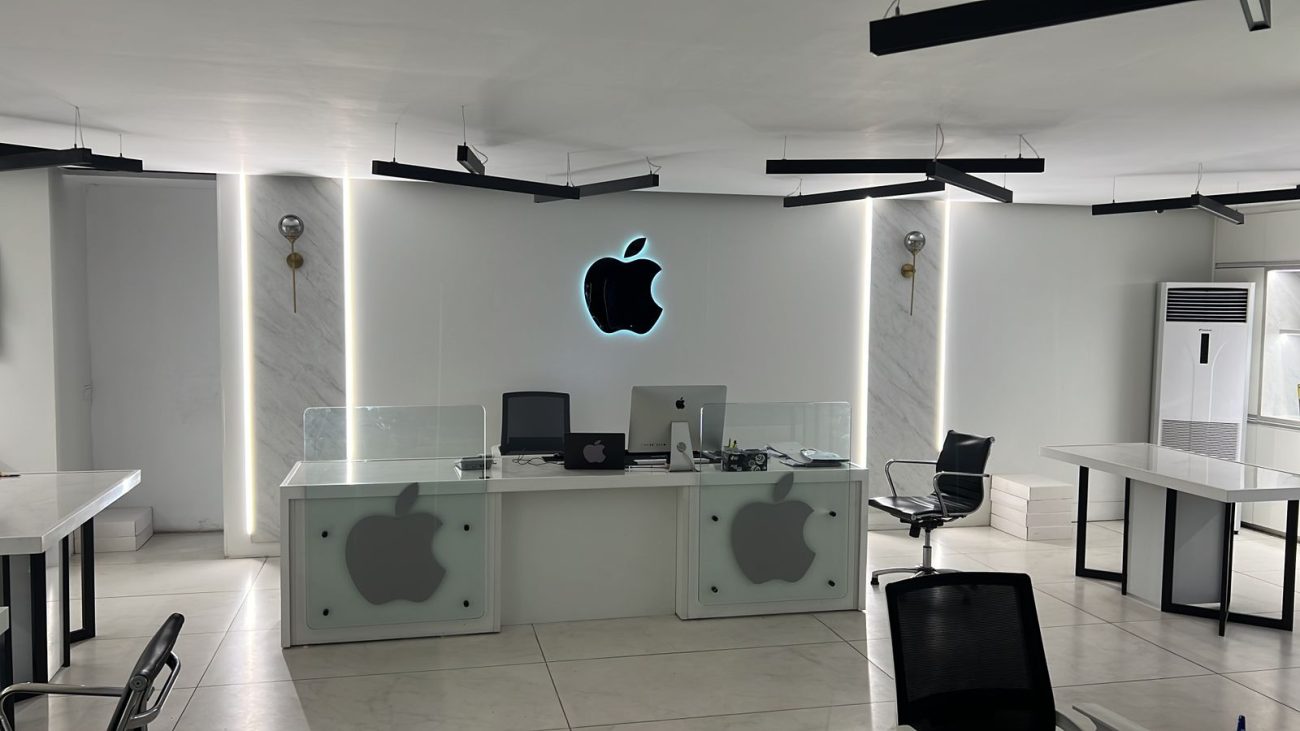
Secondly, Apple aims to expand its physical presence globally. The company has long understood the importance of creating a holistic user experience, combining both virtual and physical realms. By investing in real estate, Apple can establish flagship stores, research and development centers, and data centers in strategic locations, ensuring it remains accessible and visible to consumers.
Furthermore, the investment in real estate aligns with Apple’s commitment to sustainability and renewable energy. The company has been actively working towards reducing its carbon footprint, and by developing energy-efficient buildings and utilizing renewable energy sources in its properties, Apple can reinforce its environmental stewardship while creating a positive impact on local communities.
Potential Impact:
Apple’s foray into real estate has the potential to disrupt both the tech and real estate industries. Here are a few areas where its investment could make a significant impact:
- Enhanced Customer Experience: With strategically located flagship stores and experience centers, Apple can offer customers a seamless integration between online and offline experiences. These physical spaces can serve as hubs for product demonstrations, workshops, and customer support, fostering stronger brand loyalty.
- Urban Revitalization: Apple’s investments can contribute to the revitalization of urban areas. By redeveloping existing properties or investing in underutilized land, the company can drive economic growth, create job opportunities, and transform neglected areas into vibrant communities.
- Technological Innovation: Apple’s involvement in real estate could lead to groundbreaking advancements in smart buildings, home automation, and energy efficiency. The integration of Apple’s hardware, software, and services could result in innovative solutions that enhance comfort, security, and sustainability in real estate projects.
- Financial Returns: Real estate investments have the potential to generate substantial returns for Apple. By acquiring valuable properties and developing them strategically, the company can benefit from rental income, property value appreciation, and potential partnerships with real estate developers.
Apple’s decision to invest in real estate reflects its long-term vision of creating a seamless user experience and diversifying its investment portfolio. The move allows the tech giant to expand its physical presence, reinforce its commitment to sustainability, and contribute to urban revitalization. Furthermore, the impact on the real estate market could be significant, spurring innovation, economic growth, and the transformation of urban landscapes. As Apple continues to evolve, its foray into real estate is a testament to its adaptability and desire to remain at the forefront of innovation in various industries.